✅ Top 5 Critical Elements of Safe Mining Road Design
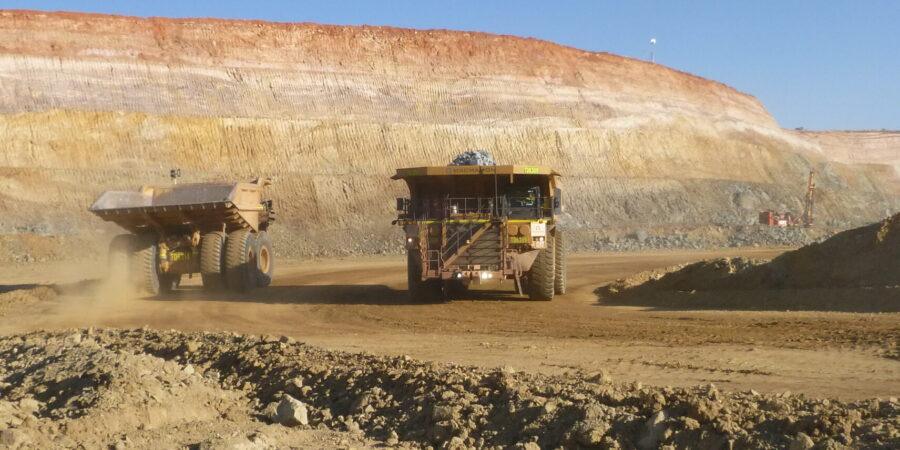
Mining haul roads are essential for transporting ore and waste efficiently from loading zones to designated dump areas. But efficiency isn’t the only priority—safety is paramount. Poorly designed roads are a leading cause of vehicle-related incidents on mine sites. That’s why effective mining road design must strike a balance between productivity and risk reduction.
Here are five key elements of mining road construction that significantly improve road safety and support effective traffic management:
1️⃣Appropriate Road Width
The effective road width (i.e. excluding drains, windrows or non-traversable shoulders) should support two-way, dual-lane operation of the design vehicle at the required speeds. Curves may need localised widening to accommodate long vehicles. Single-lane roads are only acceptable for one-way traffic. Dual-lane roads should be avoided, and they should never be used where visibility between opposing entry points is poor.

2️⃣Proper Curve Design
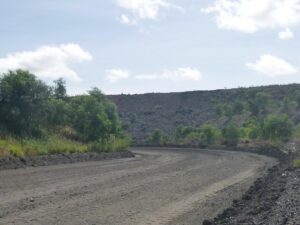
Road curves should match the design vehicle’s turning capability and speed. This means using suitable radii and building curves with correct superelevation. Negative superelevation—where the outer edge of the curve dips below the inner edge—is especially dangerous and should be avoided through careful construction and maintenance.
3️⃣Forward Visibility
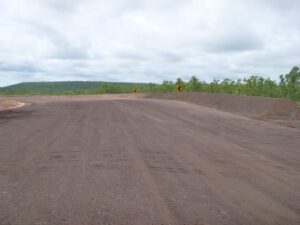
Drivers must be able to see far enough to stop safely if there is a hazard on the road ahead. Visibility challenges often occur due to vertical crests or horizontal curves obstructed by windrows, vegetation, or pit walls. Instead of relying solely on speed restrictions, road designers should prioritise improving the stopping sight distance around curves to match the needs of the design vehicle.
4️⃣ Safer Intersections
Intersections pose a high risk due to crossing traffic and reduced clarity for drivers. Simplifying intersections and improving visibility for both light and heavy vehicles makes a big impact. Where feasible, reducing the number of intersections helps streamline traffic flow and makes navigation easier.
5️⃣ Optimal Road Gradients
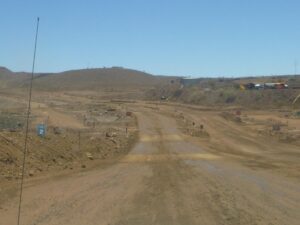
Road gradients should align with the limits set by original equipment manufacturers (OEMs) for the intended vehicle fleet. Overly steep ramps can result in dangerous operating conditions, especially when unsuitable vehicles are used on existing roads. Regular gradient assessments help reduce risks and support smooth haulage.