🚧 How Narrow Is Too Narrow? Rethinking Haul Road Design in Mining Operations
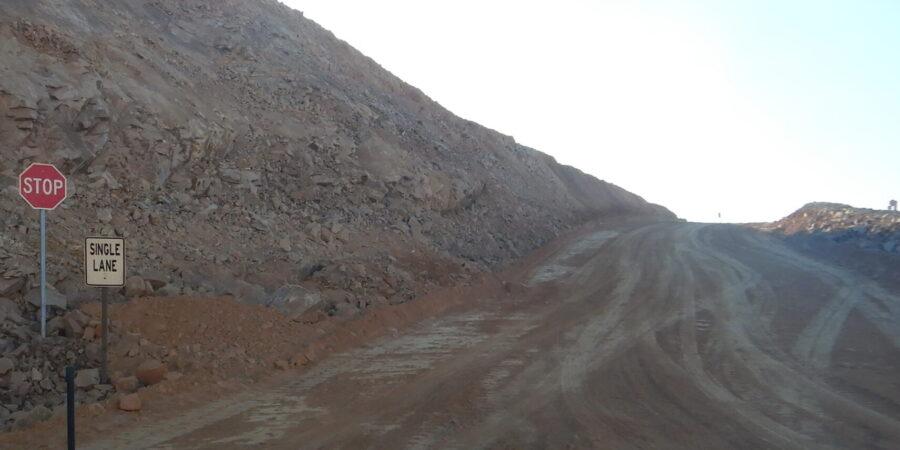
When it comes to mining haul roads, width matters more than you might think. A recent incident involving two haul trucks on a newly developed mine road in New South Wales has sparked discussion across the industry. According to a report from the NSW Resources Regulator, the trucks collided while navigating a road section that was simply too narrow for safe dual-lane operation.
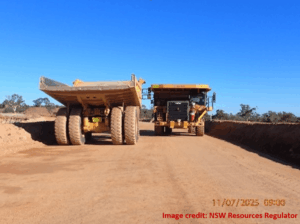
Luckily, damage was minimal—but the close call raises a crucial design question:
🔍 What Is the Minimum Safe Width for Dual-Lane Haul Roads?
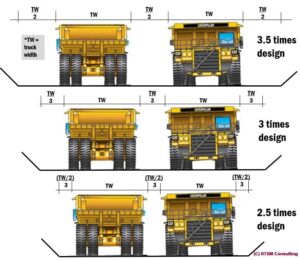
Haul roads in mining environments are typically built using width factors based on the largest vehicle expected to use them regularly—known as the design vehicle. Industry standards often use multipliers of 2.5x, 3.0x, or 3.5x the vehicle’s width to determine the road dimensions:
| Width Factor | Common Application | Implications |
|---|---|---|
| 2.5x | Cost-efficient option | Allows dual-lane traffic, but provides minimal clearance |
| 3.0x | Balanced compromise | Offers moderate safety and cost balance |
| 3.5x | Considered as best industry practice | Allows high-speed interactions and optimal safety |
In Queensland’s surface coal mining operations, the 3.5 factor is mandated by law, supporting safe, high-speed traffic flow. But for other mines, especially those with deep, narrow ore bodies, each additional metre in ramp width can dramatically impact development costs. This is where the real balancing act begins.
 ⚖️ Safety vs. Cost: Finding the Middle Ground
The road from the NSW incident appears to have been built to a 2.5 factor, technically wide enough for dual-lane traffic but with little margin for error. A shift to a 3.0 factor could offer a practical compromise, improving safety without significantly inflating costs.
But here’s the key: no one-size-fits-all answer exists. Optimal road width varies by site and by road type, and the decision on optimal widths must be driven by detailed, site-specific risk assessments.
✅ Final Takeaway: Let Risk Drive Design
Designing mining haul roads is not just about adhering to formulas—it’s about crafting infrastructure that balances safety, operational efficiency, and budget constraints. Proactive road planning minimizes risk, prevents avoidable incidents, and keeps operations running smoothly.