Is Priority Control a safer approach to manage right of way at mining intersections?
Over the last decade, a number of mining operations across Australia have switched to the Hierarchy Control (sometimes referred to as Priority Control) approach for managing vehicle interactions at mining road intersections.
Simplistically, under Hierarchy Control the priority between vehicles at an intersection is defined by the size of the vehicles. Safety is often proposed as the main reason for this change as Hierarchy Control is seen as a safer approach than the traditional Road Rules where the priority at intersections is controlled by traffic signs.
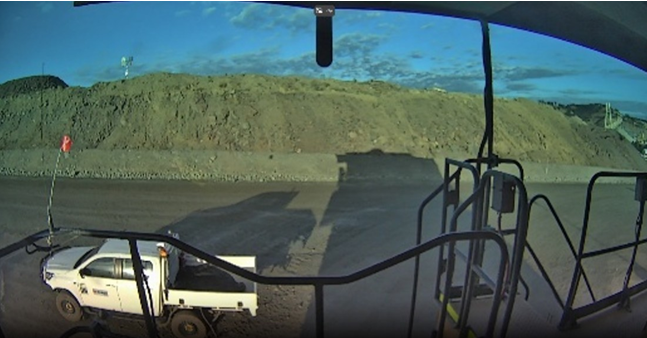
However, there has never been any robust research undertaken to validate this assumption. Without compelling evidence that would support the comparative advantage of one approach over the other, the assumed superiority of Hierarchy Control is only based on personal experiences and opinions that it must be safer because drivers of small vehicles will always be able to see the approaching large vehicles and will give way accordingly. This, and many other safety arguments promoting the benefits of Hierarchy Control are dispelled by events such as the one reported by NSW Resources Regulator. Anecdotal (and unreported) evidence indicates many other similar near misses are regularly taking place on mines across Australia.
It is equally true that the Road Rules approach is also imperfect and fallible. There have been many events where drivers did not stop, for various reasons, as required by traffic signs. However, by introducing Hierarchy Control, mining operators often appear to ‘let their guard down’ with the provision of safe(r) road infrastructure. This is due to a conviction that the system itself is near-infallible as drivers of small vehicles will be constantly vigilant and take appropriate actions due to the catastrophic consequences of collisions with large vehicles.
The reality is that as long as there are humans operating vehicles and involved in the traffic system, there is an ever-present risk of human errors. The risk of such errors is exacerbated when, as it appears to be the case on the operation where the reported event took place, both right of way control approaches are used on a single mine.
Regardless of which approach is ultimately implemented, there will always be a level of intrinsic risk that must be identified or monitored, assessed and acted upon. External independent audits and assessments of mining road networks are one of the measures that can be considered for identifying these risks as they frequently get covered by the dust of complacency, familiarity and daily routine.